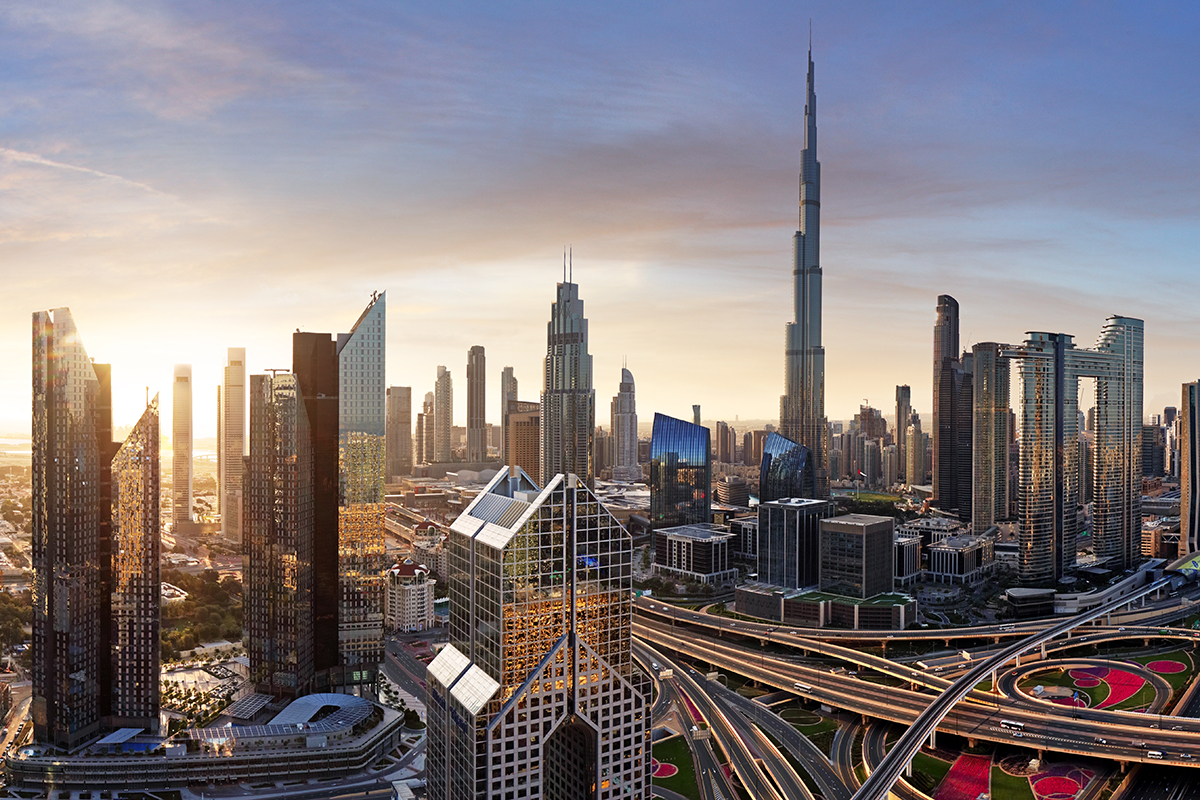
The Dubai property market reached AED 681billion in sales in 2025, driven by population growth, end-user demand and disciplined supply delivery.
The Dubai property market recorded one of its strongest performances on record in 2025, with total property sales reaching AED 681 billion ($185.5 billion), underscoring a market increasingly driven by population growth and long-term residency rather than short-term speculation.
According to the Provident Estate 2025 Market Overview, the emirate registered 213,700 residential transactions during the year, marking a 6.9 per cent increase year-on-year. Average property prices rose 7.6 per cent, reflecting sustained demand anchored in lifestyle-led relocation and permanent settlement.
From Investment to Permanence
Industry leaders point to a fundamental shift in the narrative of the Dubai property market — from opportunity-driven investment cycles to long-term residential commitment.
Loai Al Fakir, Chief Executive Officer of Provident Estate, said:
“Dubai’s real estate story is no longer just about opportunity — it’s about permanence. People are not only investing here; they are building their futures here. That shift has redefined demand, reshaped community priorities, and positioned Dubai as one of the most resilient real estate markets globally.”
Population Growth Reshapes Housing Demand
Dubai crossed a historic milestone in 2025, with the population exceeding 4.03 million residents. More than 208,000 new residents relocated to the city during the year for employment, lifestyle and long-term settlement, while over 1.35 million people have moved to Dubai since 2014.
This sustained population inflow has created a durable, end-user-led demand base, fundamentally reshaping housing preferences across the market.
Buyer demographics further reinforce this trend. The 31–45 age group accounted for the majority of transactions, with buyers aged 36–40 representing the strongest segment — signaling purchasing decisions driven by career stability, family planning and long-term residence.
Apartments Lead, Villas Signal Long-Term Commitment in the Dubai Property Market
Apartments continued to form the backbone of Dubai’s transaction activity in 2025. Key locations such as Jumeirah Village Circle, Business Bay, and Dubai Marina absorbed a significant share of demand, reflecting preferences for centrally located, lifestyle-oriented communities.
One-bedroom units led performance across both the secondary and off-plan markets, aligning with the needs of incoming professionals and young households establishing themselves in the city.
Villas, meanwhile, reinforced long-term confidence in the market. Four-bedroom layouts dominated both completed and off-plan villa transactions, with communities including Wadi Al Safa, Al Hebiah Fifth, and Dubai South attracting family buyers prioritising space, stability and community living.
Disciplined Supply Supports Market Balance
Developers maintained measured delivery schedules throughout 2025, supporting market stability. Approximately 96,500 residential units are expected to be handed over in 2026, with supply concentrated across established and emerging master-planned communities, including:
- Dubai Creek Harbour
- Dubai Hills Estate
- DAMAC Lagoons
- Arabian Ranches 3
- Arjan
- Business Bay
The forward supply pipeline remains controlled, with 84,979 units projected for 2027 and 45,480 units for 2028, reinforcing alignment between genuine occupancy demand and new delivery.
Al Fakir added:
“2025 confirmed that Dubai is no longer in a price cycle — it is in a population cycle. Demand is anchored in resident growth, resale activity reflects lived-in preference, and off-plan sales are driven by strategically planned communities rather than speculation. With population momentum showing no signs of slowing, the fundamentals position 2026 as another year of structural expansion.”
Find out how Tesla is shifting focus from EV’s to Robotics. Click here.