

Iran War 2026 Updates: Hormuz Strait – Following months of devastating blockades driven by the US-Israeli-Iran war, new diplomatic channels are revealing a heavily altered future for Middle Eastern oil transit. According to recent statements by high-level diplomatic officials, the Strait of Hormuz is slated to reopen to international shipping. However, this critical chokepoint will no longer offer free passage, as mandatory transit fees are set to be imposed on all commercial vessels navigating the waters.
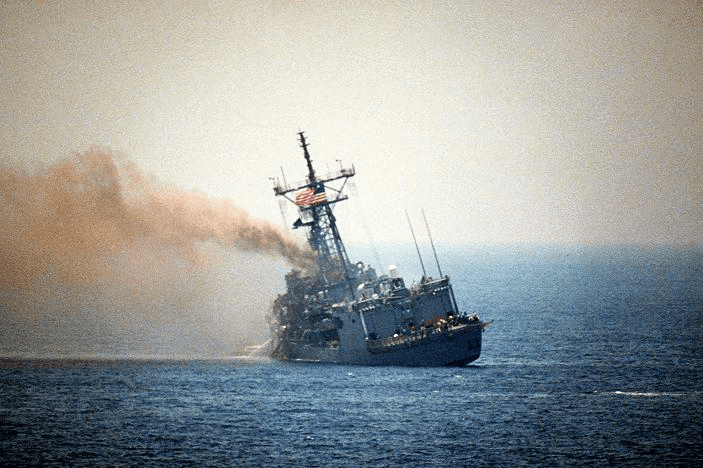
A Paradigm Shift in the Persian Gulf
The ongoing war in Iran has drastically reshaped the geopolitical landscape of the region. For months, the conflict has severely constrained the flow of oil and liquefied natural gas through the Hormuz Strait, a waterway that historically accommodated one-fifth of the world’s daily oil supply. As negotiations slowly progress, Tehran has made it unambiguously clear that a return to the pre-war status quo is completely off the table.
Official Diplomatic Confirmation
In a highly revealing interview with the Russian newspaper Izvestia, Iran’s ambassador to Moscow, Kazem Jalali, publicly confirmed this strategic pivot. Highlighting the proposed framework, Ambassador Jalali stated, “Of course, this strait will be open, but with new conditions to be determined by the Iranian and Omani authorities.” This explicit declaration marks a definitive end to unrestricted maritime access and underscores the economic leverage Tehran intends to exercise in the aftermath of the Iran war.
The introduction of transit fees for the Hormuz Strait represents a calculated maneuver to directly monetize the strategic corridor. While the exact fee structure remains under intense deliberation, the financial implications for global energy markets are undeniably profound. Justifying the upcoming charges to Izvestia, Ambassador Jalali added, “We understand that Iran and Oman provide certain services related to this strait. And fees will be charged for those services.” According to preliminary reports, these transit fees will likely fluctuate based on the specific vessel’s classification, the nature of its cargo, and the prevailing geopolitical climate.
Global Pushback and Supply Chain Impact
Unsurprisingly, the proposition to levy mandatory transit fees in the Hormuz Strait has met with fierce, immediate international resistance. The US administration and its strategic allies, deeply entrenched in the broader dynamics of the Iran war, have vehemently opposed the toll plan. Western officials continue to argue that the Hormuz Strait remains a designated international waterway, rendering any unilateral imposition of transit fees fundamentally unacceptable under established maritime law. Diplomatic efforts to negotiate a comprehensive and lasting peace deal now face significant new hurdles, as Iranian leadership insists on formally codifying its sovereign right to collect these fees into any permanent treaty.
For the international maritime industry, navigating the Hormuz Strait during the Iran war has already proven to be a relentless logistical nightmare, characterized by skyrocketing war-risk insurance premiums and heavily rerouted shipments. The formalization of authorized transit fees adds yet another heavy layer of financial burden to an already strained and fragile global supply chain. While certain allied nations, such as Russian-flagged vessels, are reportedly being considered for special exemptions, the vast majority of the world’s commercial shipping fleets will have to absorb these unprecedented new operating costs.
Looking Ahead
As the US-Israeli-Iran war approaches a highly critical diplomatic juncture, the ultimate fate of the Hormuz Strait remains a primary focal point for global economists and defense analysts alike. The official confirmation from Iran’s envoy to Moscow solidifies the harsh reality that the era of completely free transit through this essential energy artery is rapidly concluding. Moving forward, global markets must rigorously adjust to a new geopolitical paradigm where securing vital energy supplies through the Hormuz Strait comes with a steep, unavoidable price tag, permanently altering the underlying economics of international oil distribution.







Comments 3