

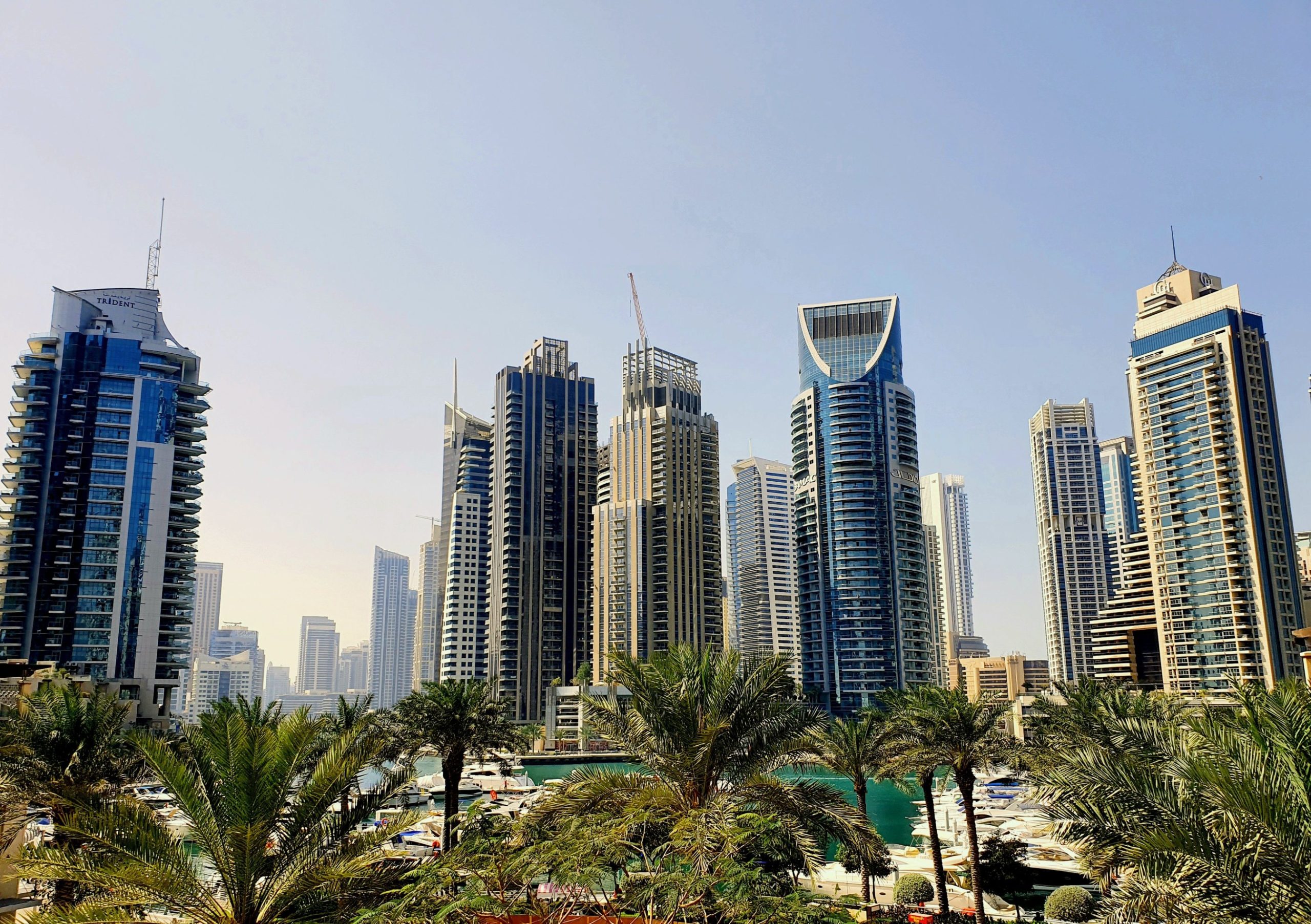
The Dubai property market has experienced a notable, yet entirely expected, shift in momentum this spring, signaling an end to the frantic post-pandemic buying frenzy. After years of record-breaking price surges and exponential volume growth, data from May 2026 reveals that Dubai is finally seeing its once-overheated property market cool down. However, rather than triggering panic among global investors, financial analysts and seasoned developers are viewing this deceleration as a necessary, maturing phase for the emirate’s expansive real estate sector.
Crunching the May Data
The statistics from May paint a clear picture of a market taking a collective, much-needed breath. According to the latest monthly analysis from ValuStrat, published by Economy Middle East, overall transaction volumes saw a noticeable dip. Off-plan property registrations—historically the primary engine of the city’s real estate boom—fell sharply by 29.3 percent on a monthly basis. Simultaneously, the secondary market for ready homes experienced an 18.5 percent monthly decline in transaction volume as buyers stepped back to assess their options.
Pricing metrics also reflect this structural cooling trend. The ValuStrat Price Index (VPI) dipped by 1.2 percent in May. While this follows sharper contractions earlier in the spring, it marks a definitive stabilization period. Notably, apartment values across the Dubai property market recorded a marginal monthly decline of 0.9 percent. On an annual basis, apartment values actually registered their first decline in six years, sitting 1.4 percent lower compared to the same period in 2025. Villas, while still vastly outperforming high-rises due to limited supply, also saw their capital values ease slightly over the course of the month.
Stabilization Over Speculation
To the untrained eye, negative percentage signs might look like immediate red flags. But for institutional investors and veteran market watchers, this is exactly what a healthy, sustainable economic cycle looks like.
Summarizing the broader implications of these numbers, the ValuStrat report via Economy Middle East stated: “The pace of residential capital value declines in Dubai slowed further in May, indicating potential signs of market stabilization.” This sentiment is heavily echoed across local brokerages, which note that the aggressive double-digit price hikes of previous years were simply unsustainable in the long run. Instead of a catastrophic crash, the Dubai property market is experiencing a healthy recalibration. Buyers are no longer rushing into blind bidding wars fueled by the fear of missing out. Instead, they are taking their time, adopting a methodical “wait-and-see” approach, and deeply scrutinizing factors like infrastructure development, developer credibility, and long-term rental yields before deploying their capital.
As a recent market update by Seven Century Real Estate pointedly observed: “Investors from Europe, Asia, and other international markets continued to view Dubai as an attractive destination offering strong yields… Capital didn’t leave; it simply paused.”
What This Means for the Future
The cooling of the Dubai property market means that negotiating power is slowly shifting back toward the buyer. With off-plan sales slowing down from their peak, developers will likely need to become far more competitive. We can expect to see them launching highly attractive, flexible post-handover payment plans, waiving registration fees, or heavily enhancing community amenities to secure their desired sales targets in a more balanced market environment.
Furthermore, the ultra-luxury segment remains completely insulated from the broader market slowdown. In May alone, 16 ready-property transactions exceeded AED 30 million—with 11 of those priced above AED 50 million—proving that high-net-worth individuals still view Dubai as a premier haven for wealth preservation.
Ultimately, this slowdown is a deeply positive milestone. It proves that the Dubai property market is successfully shedding its old reputation as a volatile, speculative landscape. By cooling down today, the city is transitioning into a mature, resilient global asset class where sustainable, predictable growth is prioritized over overnight windfalls.






Comments 1