“3D surgical innovation is redefining precision, safety, and recovery in modern healthcare.” – Saudi German
Saudi German: Advanced 3D endoscopic technology enhances precision and patient recovery outcomes
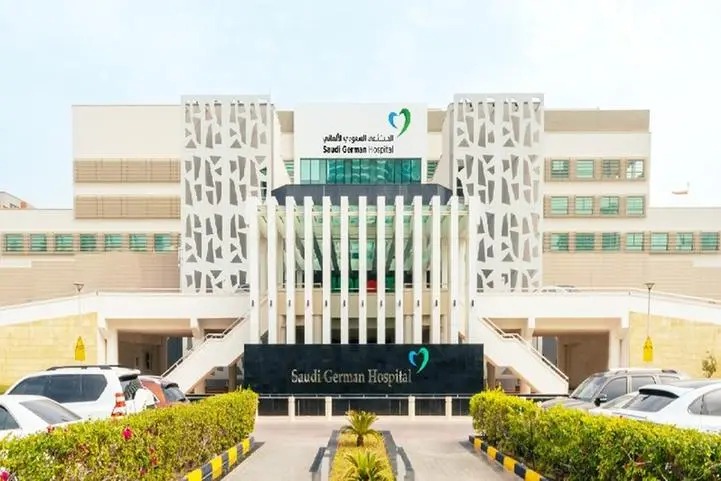
In a significant medical milestone, Saudi German Hospital Dubai has successfully performed the first complex 3D minimally invasive surgery in the UAE, marking a major advancement in the country’s healthcare innovation landscape.
The procedure utilised advanced 3D endoscopic technology, enabling surgeons to achieve enhanced anatomical clarity and depth perception during the operation. This technological breakthrough enabled the medical team to navigate more accurately around critical structures within a highly confined surgical field, significantly improving safety and surgical precision.
The surgery represents a leap forward in minimally invasive surgical techniques, which are increasingly being adopted across global healthcare systems due to their ability to reduce complications and improve patient outcomes. By integrating cutting-edge 3D imaging systems, the Saudi German Hospital has demonstrated its commitment to delivering world-class medical care within the UAE.
According to medical experts involved in the procedure, the use of 3D endoscopy enabled the team to perform the surgery with a level of precision that would be difficult to achieve with conventional methods. The enhanced visualisation provided surgeons with a more detailed view of the patient’s internal anatomy, allowing for better decision-making during critical stages of the operation.
The patient who underwent the procedure experienced a smooth postoperative recovery and was discharged in stable condition after five days. The adoption of a minimally invasive approach led to reduced postoperative pain, smaller incisions, and faster recovery, significantly improving the overall patient experience.
Dr Ahmed Eissa, CEO of Saudi German Health UAE, highlighted the importance of this achievement, stating that the milestone reflects the organisation’s ongoing focus on advancing surgical innovation in the UAE healthcare sector. He explained that integrating 3D endoscopic technology into complex procedures enhances surgical precision, reduces risk, and ultimately improves patient outcomes.
He further noted that such advancements are part of a broader vision to position the UAE as a regional hub for advanced medical technologies and specialised healthcare services. By continuously investing in innovative solutions, the hospital aims to raise the standards of care and ensure patients have access to the most advanced treatment options.
The introduction of 3D minimally invasive surgery aligns with global trends in modern medicine, where healthcare providers are increasingly shifting towards techniques that minimise physical trauma while maximising efficiency and effectiveness. These procedures not only reduce hospital stays but also enable patients to return to their normal activities more quickly, thereby improving quality of life.
Healthcare professionals emphasised that the success of this procedure highlights the growing role of technology-driven surgical practices in transforming patient care. As hospitals continue to adopt robotic systems, AI-assisted diagnostics, and advanced imaging technologies, the future of surgery is expected to become even more precise, less invasive, and highly patient-centric.
This latest achievement reinforces Dubai’s position as a leading destination for medical excellence and innovation, attracting both regional and international patients seeking advanced treatment solutions. The continued integration of state-of-the-art surgical technologies is expected to play a key role in shaping the next phase of healthcare development in the UAE.