The fragile architecture of peace in the Middle East has been violently fractured once again, sending severe tremors through global energy markets. As dawn broke on Monday, a rapid escalation in military hostilities triggered an immediate financial shockwave. Oil jumps as Israeli strikes hit a major Iranian petrochemical site, specifically the Karoon Petrochemical Company located within the Mahshahr complex in the country’s restive southwest. This bold and devastating maneuver has instantly erased any lingering hopes of a sustained regional ceasefire, thrusting commodities traders and global diplomats into a frenzied state of high alert.
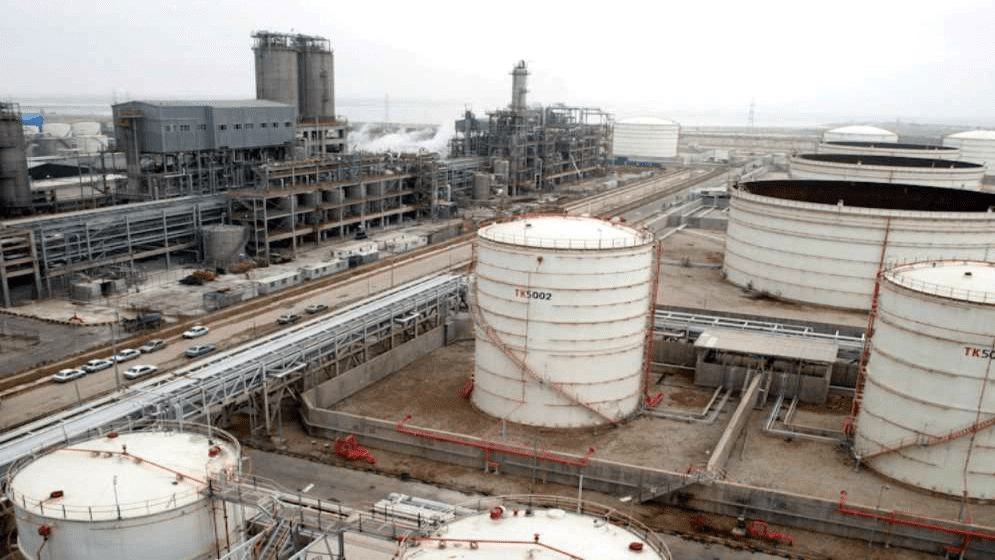
The financial fallout on the trading floors was instantaneous and remarkably aggressive. In the immediate aftermath of the Israeli strikes, Brent crude surged nearly 5%, blowing past $97 per barrel, while West Texas Intermediate (WTI) leaped to $94.62. This dramatic oil jump marks one of the most aggressive single-day market movements since early May. The deliberate targeting of an Iranian petrochemical site introduces a dangerous new variable for geopolitical analysts: the direct, physical vulnerability of critical, energy-linked infrastructure. The attack severely damaged parts of the Karoon plant, which produces industrial materials, proving that the conflict is moving far beyond simple military outposts.
The military did not shy away from publicly owning the escalation. Taking to the messaging platform Telegram early Monday morning, the Israel Defense Forces explicitly confirmed the operation, stating they “attacked several targets at the petrochemical complex in Mahshahr”. Yet, diplomatic messaging attempted to carefully thread the needle regarding what constitutes “energy” infrastructure. Clarifying the strategic intent behind the Israeli strikes, the Israeli Ambassador to the United States, Yechiel Leiter, stated on X: “Israel is now targeting Iranian surface-to-surface missile launch sites, as well as infrastructure facilities unrelated to the energy sector”.
While this semantic distinction between crude extraction and an Iranian petrochemical site might matter in policy circles, for nervous commodity traders watching the massive oil jump, the proximity of the explosions to vital supply chains is entirely too close for comfort.
This latest military exchange was not an isolated incident; it served as a direct retaliation for a massive barrage of missiles launched by Tehran toward Israeli territory over the weekend. The Islamic Revolutionary Guard Corps (IRGC) has made it explicitly clear that they are preparing for a protracted conflict. In a chilling broadcast cited by the BBC, the IRGC promised relentless retaliation, declaring, “Waves of missiles and drones will continue to be launched around the clock for the next seven days until the enemy is deterred and ceases its crimes”. Such apocalyptic rhetoric essentially guarantees that the current oil jump may merely be the prologue to sustained, long-term market instability.
The rapidly deteriorating situation has visibly frustrated Washington, which had been desperately attempting to broker a lasting truce. Over the weekend, just prior to the latest Israeli strikes heavily damaging the Iranian petrochemical site, U.S. President Donald Trump issued a blunt, public plea to completely de-escalate. Speaking directly to Tehran during an interview with Fox News, he demanded, “You’ve shot your missiles, that’s enough. Get back to the table and make a deal”. However, his stark words entirely failed to halt the deadly momentum of the conflict.
To compound the crisis, this oil jump coincides with highly complicated supply dynamics. Over the weekend, OPEC+ approved an increase in July crude output. Under normal circumstances, an influx of supply would cool prices. However, a de facto blockage of exports from the Persian Gulf means that most regional producers cannot safely deliver this additional output. With the precedent now set that an Iranian petrochemical site is a valid target for Israeli strikes, the risk of the Strait of Hormuz closing has skyrocketed. If the escalation continues, today’s oil jump will look like a minor blip compared to the catastrophic supply shock that awaits the global economy.