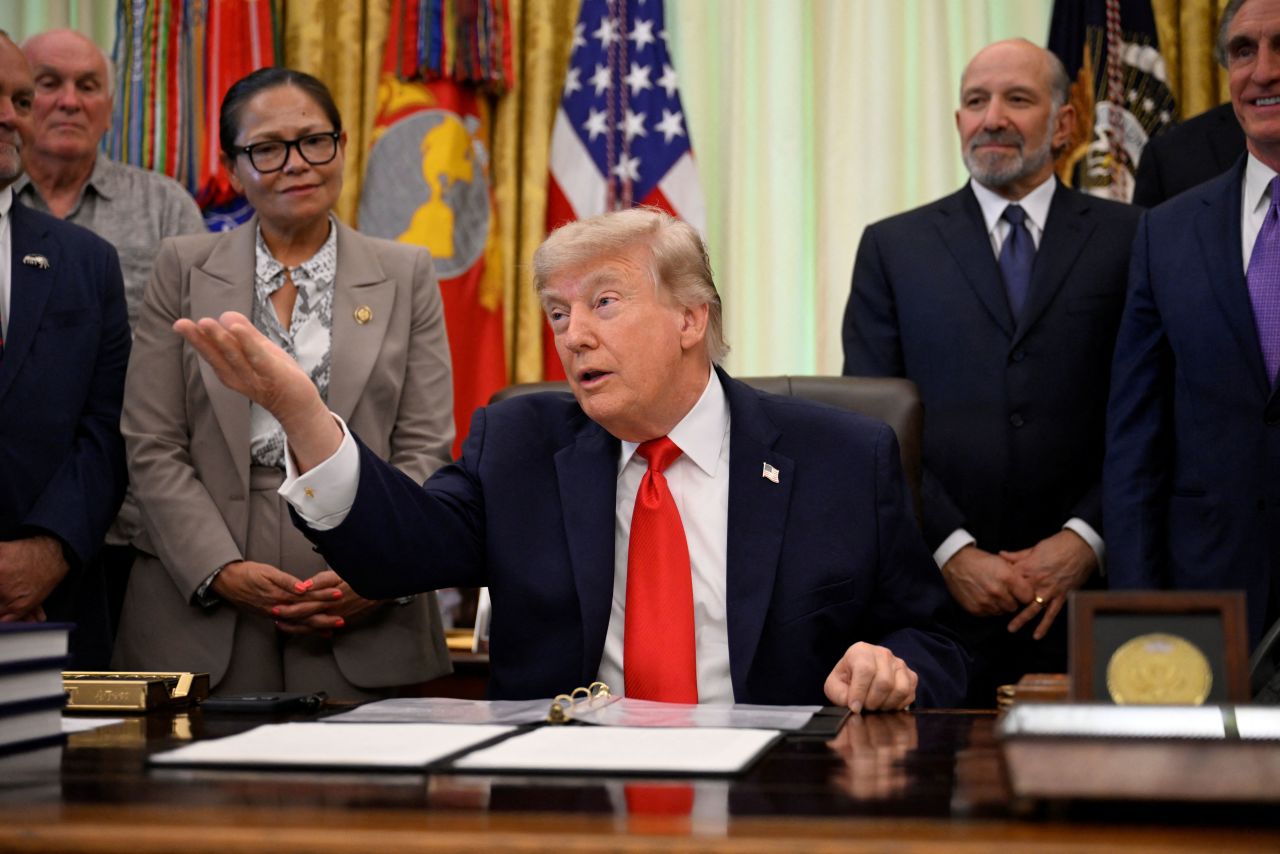
After months of intense conflict that severely disrupted the region and global energy markets, a historic peace agreement between the US and Iran has officially been reached to reopen the vital Strait of Hormuz. President Donald Trump confirmed the monumental diplomatic breakthrough, signaling a definitive end to military operations and promising immediate relief for the international shipping industry. The landmark agreement, which caps weeks of fraught negotiations mediated by regional powers like Pakistan and Qatar, aims to permanently halt hostilities and stabilize a Middle Eastern region that has been on a violent knife-edge for over a hundred days.
The closure of the critical waterway had triggered a massive global energy crisis, heavily restricting oil flows, paralyzing supply chains, and sending rapid shockwaves through international markets. In retaliation for Iranian actions, the US had previously imposed a stringent naval blockade on Iranian ports, severely crippling the nation’s ability to export its primary commodities.
However, with the new ceasefire framework firmly in place, these heavy economic chokeholds are set to be dismantled. According to the precise terms of the deal, the strategic shipping lane will be gradually reopened as Iranian forces work to safely clear deployed naval mines during the first 30 days of the agreement. Furthermore, Iran has formally committed to not charging any transit tolls during the initial 60-day period of this renewed maritime access.
The political rhetoric surrounding the finalization of the pact has been remarkably decisive. Taking to his social media platform, Truth Social, the American commander-in-chief announced the cessation of hostilities with characteristic flair. “Congratulations to all! I hereby fully authorize the toll-free opening of the Strait of Hormuz, and, simultaneously herewith, authorize the immediate removal of the United States Naval blockade,” Trump stated. Emphasizing the immediate economic benefits of the deal, Trump further declared, “Ships of the World, start your engines. Let the oil flow!”.
This geopolitical triumph between the US and Iran was not achieved in isolation. The intense diplomatic heavy lifting was largely facilitated by dedicated regional allies. Following 17 hours of rigorous, non-stop negotiations in Tehran, mediators managed to secure a memorandum of understanding that meticulously addresses the core security concerns of both nations. Pakistani Prime Minister Shehbaz Sharif, whose government played a crucial role in brokering the peace pact, confirmed the broad scope of the consensus. “Both sides have declared the immediate and permanent termination of military operations on all fronts,” Sharif noted on social media, emphasizing that the diplomatic focus will now rapidly shift toward complex technical talks.
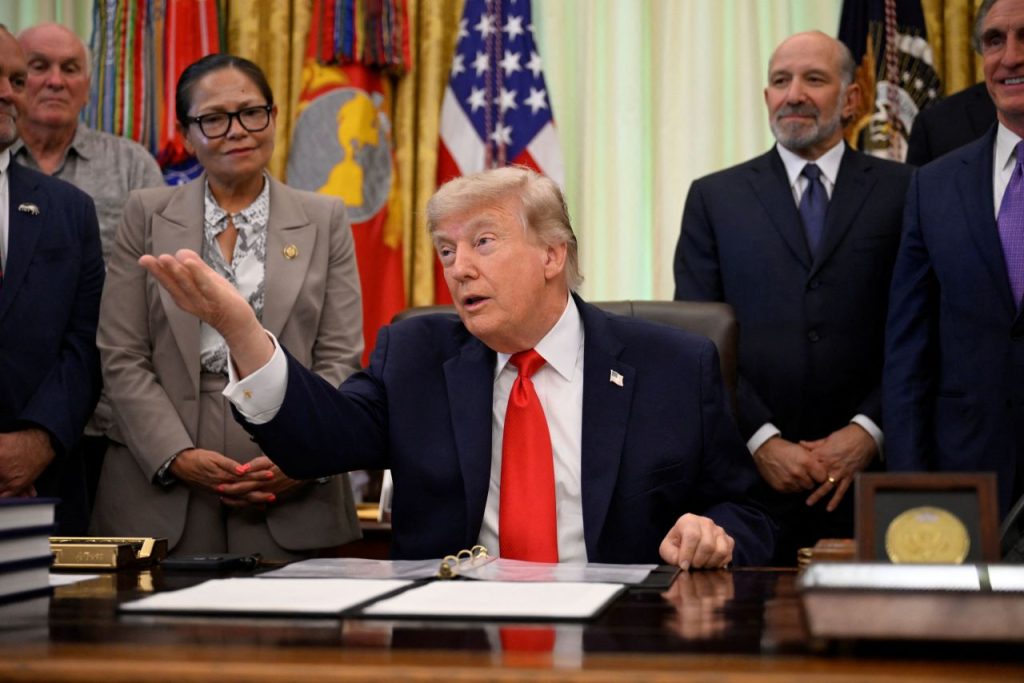
While the immediate threat of a wider war has been neutralized, the path forward requires incredibly careful navigation. The official signing ceremony is securely scheduled to take place on Friday, June 19, in Switzerland. Iranian Deputy Foreign Minister Kazem Gharibabadi confirmed this timeline on state television, although he cautiously noted that the agreement “does not signify trust in the enemy and was drafted in an atmosphere of continued distrust”.
Looking past the initial ceasefire and the reopening of the Strait of Hormuz, subsequent diplomatic phases will tackle even more demanding issues, most notably the status of Iran’s nuclear program and the complete disposal of its enriched uranium stockpiles. Tehran currently possesses over 9,000 kilograms of enriched uranium, making this a central pillar of the upcoming technical discussions.
For now, however, the international community is breathing a collective sigh of relief. The resolution of this standoff demonstrates that even the most deeply entrenched conflicts can be de-escalated through sustained, pragmatic diplomacy. As the world watches the naval barriers come down, the restoration of free navigation marks a critical victory for global economic stability and regional peace.