

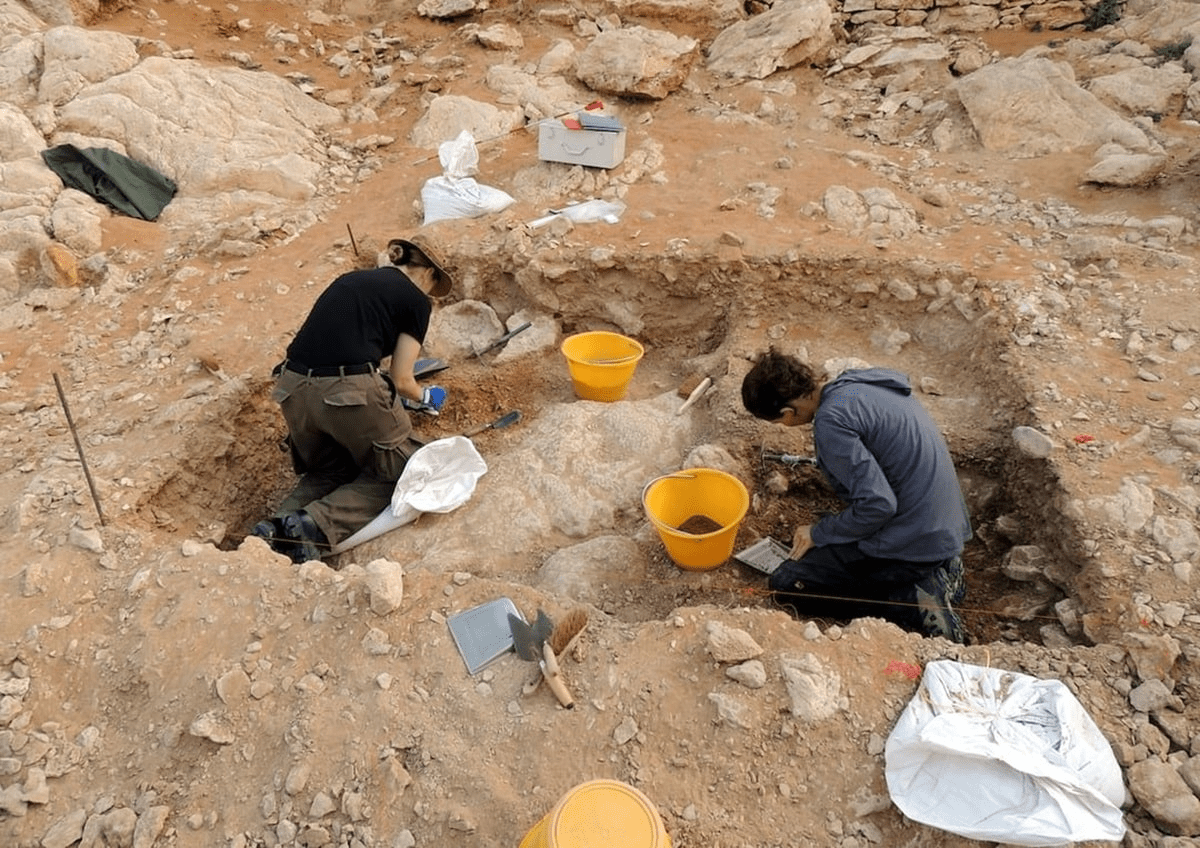
Unprecedented Archaeological breakthroughs across the UAE are dramatically reshaping our understanding of ancient human civilization in the Arabian Peninsula. By unearthing profound new evidence of prehistoric resilience and trade, these monumental Archaeological discoveries provide an intimate look into early human settlements that thrived in the UAE over tens of thousands of years. From ancient rock shelters to massive communal tombs, the scientific studies announced during 2026 have illuminated extraordinary new chapters in the nation’s historical timeline, stretching from prehistoric hunter-gatherers directly to the bustling Bronze Age.

Defying the Sands of Time in Sharjah
For decades, the overarching narrative of prehistoric Arabia assumed that extreme aridity prevented continuous habitation. However, an international research project based in Sharjah has completely overturned this assumption. Excavations at the Jebel Al Buhais rock shelter revealed astonishing evidence of repeated early habitation spanning wildly different environmental epochs.
Published in Nature Communications in March 2026, the comprehensive study documented continuous presence dating from 60,000 all the way to 16,000 years ago. These findings provide a stunning record of evolutionary adaptation, proving that resourceful ancient communities successfully navigated severe climate fluctuations and megadroughts while maintaining vital regional connections. Backed by a new AED 2 million research grant running from 2026 to 2028, nearby sites like Jebel Faya are entering a rigorous new scientific phase, ensuring that the mysteries of these early populations continue to be decoded.
Unlocking the Late Bronze Age in Al Ain
Moving into July 2026, the Department of Culture and Tourism – Abu Dhabi (DCT Abu Dhabi) shocked the academic world with the unearthing of a major collective tomb within the Qattara Archaeological Cemetery in Al Ain. Dating back to the Wadi Suq and Late Bronze Age periods (c. 2000–1300 BCE), this incredibly preserved subterranean structure measures 11 by 2.5 metres.
Fascinatingly, the tomb’s builders repurposed ornately carved stone blocks from much older Umm al-Nar funerary structures dating back to 2700–2000 BCE. For over a millennium, this remarkable site served as a resting place for hundreds of individuals. Archaeologists recovered a treasure trove of ancient pottery, weaponry, and intricate personal ornaments.
Currently, the human remains and artifacts are undergoing cutting-edge isotopic and DNA analyses. This high-tech profiling is intended to accurately map ancient trade networks, diets, health profiles, and migration routes. Reflecting on the national importance of the site, official reports noted that “the Qattara discovery adds further depth to Al Ain’s cultural sites, which were inscribed on the UNESCO World Heritage list in 2011,” solidifying the oasis city as a cornerstone of ancient global trade.
Global Recognition and the ICESCO Heritage List
The international prestige of UAE heritage expanded phenomenally in 2026 when the Ministry of Culture proudly announced the inscription of five new Emirati sites onto the Islamic World Educational, Scientific and Cultural Organization (ICESCO) Heritage List.
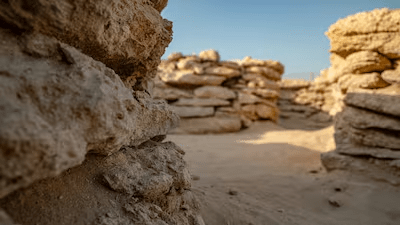
These prestigious new listings include the ancient industrial hub of Saruq Al Hadid in Dubai, alongside four uniquely historic sites in Sharjah: Jebel Faya in the Central Region, the historic coastal defenses of Khorfakkan (including the Portuguese Fort and Al Adwani Tower), Nahwa, and Wadi Al Helo.
Each location offers a unique window into the past. Wadi Al Helo boasts striking Bronze Age petroglyphs and sprawling historic village remains, while Nahwa contains vivid rock art spanning from the Bronze Age directly into the modern era, all meticulously documented using cutting-edge 3D digital technology.
As summarized by the Emirates News Agency (WAM) in its official 2026 report: “These 2026 milestones highlight the UAE’s comprehensive strategy of excavation, restoration, digital documentation, and international registration, ensuring the nation’s rich historical narrative is preserved and shared globally.” By marrying state-of-the-art scientific analysis with aggressive heritage protection, the country is proudly illuminating the incredible depth of its ancestral roots.






Comments 1