

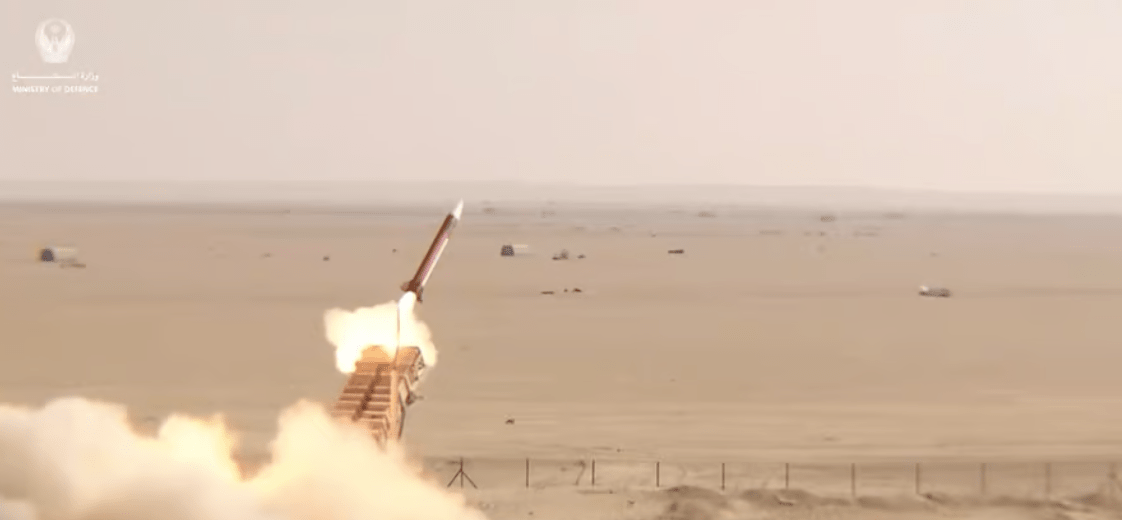

The UAE has moved to freeze out Iran economically and diplomatically following the missile strikes that targeted UAE territory in August 2026, adding a new and significant dimension to a conflict that has already reshaped Gulf supply chains, energy markets and the daily lives of millions of UAE residents. The decision reflects a shift in the UAE’s approach from managed tension to active economic exclusion, and its implications extend across banking, trade, aviation, real estate and the broader business environment in ways that every company operating in the region needs to understand. Iran’s economy is already severely constrained by existing international sanctions. UAE-based measures that restrict residual economic ties between the two countries add further pressure while signalling a clear political position that shapes the diplomatic environment in which the conflict’s eventual resolution will have to be negotiated.
Oil prices rose for a fourth consecutive session this week after US President Donald Trump confirmed there were no talks with Iran and after Tehran launched missile attacks against UAE territory, a combination that has driven Brent crude back above levels that reflect genuine market concern about supply continuity through the Strait of Hormuz. The Hormuz disruption story has been the central commodity market narrative of 2026, and the escalation of direct missile exchanges targeting UAE infrastructure intensifies the risk premium that energy markets are pricing into oil and gas. For businesses and consumers in the UAE and globally, the oil price consequences of the conflict are the most immediately visible economic effect, but they are not the most structurally significant.
“Oil prices rose for a fourth consecutive session after US President Trump confirmed there were no talks with Iran and Tehran launched missile attacks against UAE territory. The escalation of direct strikes on UAE infrastructure intensifies the risk premium that energy markets are pricing into oil and gas, with implications for businesses and consumers globally.”
— AGBI, Oil Prices and Iran Conflict Update (agbi.com, August 2026)
The Economic Consequences for UAE-Iran Trade
The residual trade and financial flows between the UAE and Iran that are being targeted by the freeze-out policy are smaller than they were a decade ago but are not negligible. Dubai has historically served as a transit point for goods moving between Iran and international markets, a role that generated significant economic activity in logistics, trade finance, warehousing and the retail sector that served Iranian buyers and traders. The significant Iranian diaspora and business community in Dubai has been a source of real estate investment, retail spending and professional services demand. The freeze-out policy, applied to a business community that was already navigating significant legal complexity around Iran sanctions compliance, will accelerate the departure and reorientation of Iranian-linked economic activity from the UAE to other jurisdictions.
The banking implications are particularly significant. UAE banks have been required to apply rigorous sanctions compliance procedures to all transactions with Iranian counterparties since the reinstatement of US sanctions in 2018. The current escalation, combined with the UAE government’s explicit freeze-out posture, creates an environment in which even residual correspondent banking relationships that had survived the sanctions framework are now likely to be terminated. For the UAE banking sector as a whole, this represents a manageable loss of a small revenue segment combined with a meaningful reduction in compliance risk, a trade-off that most UAE banks will welcome rather than resist.
What UAE Businesses Need to Understand
For businesses operating in the UAE that have any exposure to Iran-linked counterparties, the freeze-out policy creates an urgent need for compliance review. The combination of existing US sanctions, the UAE government’s explicit exclusion posture and the heightened enforcement attention that accompanies an active conflict creates a zero-tolerance environment for ambiguity about Iranian counterparty relationships. Businesses that have been operating in the grey zone of technically-permissible-but-strategically-sensitive Iran exposure need to complete their risk assessment and make clear decisions about their exposure before regulatory attention and enforcement pressure intensifies further. The AD Ports Group’s operational response during the conflict, rerouting cargo through Fujairah and Khor Fakkan outside the Strait of Hormuz, provides a model for how UAE businesses can maintain operational continuity while navigating a more restricted operating environment. The companies that have been proactive about alternative route development and alternative counterparty relationships are better positioned for the current escalation than those that have not.
“The UAE’s freeze-out posture toward Iran adds a layer of economic exclusion to the military and diplomatic dimensions of the conflict, accelerating the departure and reorientation of Iranian-linked economic activity from the UAE to other jurisdictions, with implications for banking, logistics, real estate and professional services sectors that have historically had exposure to Iran-connected flows.”
— CNBC UAE in Focus, UAE Iran Economic Consequences (cnbc.com, August 2026)







Comments 1