In a highly promising move to solidify its geopolitical standing, Iraq has unveiled a series of transformative cross-border agreements aimed at securing its economic future. During a recent high-level session, the Council of Ministers approved extensive measures to strengthen diplomatic ties, heavily prioritizing vital water security frameworks with Türkiye and major energy infrastructure expansion alongside neighboring Syria. Chaired by Prime Minister Ali Al-Zaidi, this session marked a definitive shift in the country’s foreign policy and resource management strategies.

Activating the Water Framework
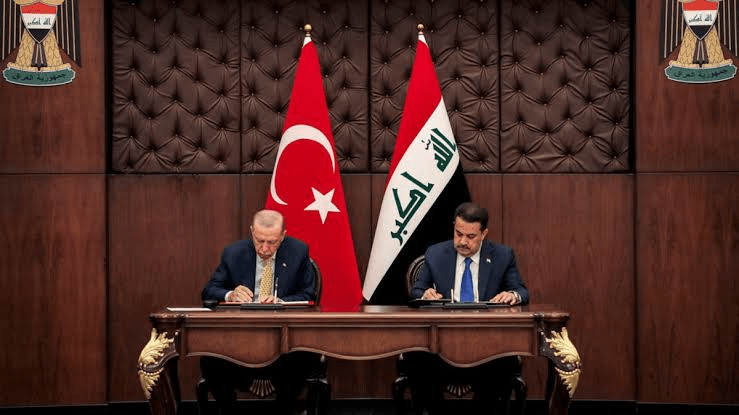
Water scarcity has long loomed over the Middle East, making Baghdad’s recent legislative actions incredibly timely and necessary. To combat this, the Council of Ministers officially voted to activate the comprehensive Iraq–Türkiye Framework Agreement on water resources. According to official statements released from the prime minister’s media office, the innovative financing mechanism for projects under this vital accord will officially enter into force on September 1, 2026.
This unique bilateral mechanism directly links Iraqi oil exports to Turkish markets with essential funding for domestic water infrastructure. As noted by the Shafaq News agency in their coverage of the agreement, “revenues were to be deposited into a dedicated account to finance projects implemented by Turkish companies”. By collaborating closely with Türkiye, the Council of Ministers is ensuring that Iraq can sustain its agricultural heartlands while aggressively modernizing its outdated water management infrastructure.
A New Mediterranean Energy Corridor
Beyond water security, energy route diversification remains a massive priority for the Council of Ministers. In a bold bid to diversify Iraq’s crude oil export routes and secure highly reliable global outlets, the cabinet approved a groundbreaking authorization. The Chief Executive Officer of the Basra Oil Company has been formally authorized to sign a memorandum of understanding with the Syrian Ministry of Energy.
This agreement sets the stage for an ambitious pipeline project linking Iraqi oil production directly to global export markets through the Mediterranean Sea. According to the Syrian Arab News Agency (SANA), these authorizations were granted “as part of a package of decisions aimed at developing Iraq’s oil and gas sector and attracting investment”. Bypassing traditional maritime bottlenecks by establishing a direct Mediterranean pipeline will grant Iraq unprecedented energy sovereignty and significantly bolster its economic resilience in a volatile global market.
Tapping the Akkas Field Potential
Simultaneously, the Council of Ministers is heavily focused on maximizing domestic natural gas reserves. To this end, the cabinet also authorized the Minister of Oil to sign a critical memorandum of understanding with a powerful international consortium comprising ConocoPhillips, TI Capital, and NovaTerr.
This high-profile agreement will commence formal discussions on assessing the vast exploration and development potential of the Akkas Field, strategically located in western Iraq within the Anbar province near the Syrian border. Historically recognized as one of the nation’s most lucrative yet underutilized gas assets, developing the Akkas Field is pivotal to the country’s broader energy independence strategy.
Through these interconnected agreements regarding water resources with Türkiye, Mediterranean export routes, and massive international gas exploration, Iraq is actively rewriting its economic future. The Council of Ministers has clearly demonstrated a proactive approach to regional diplomacy, cementing the nation’s role as a stabilized, forward-thinking powerhouse.