The global Oil market experienced a dramatic and highly volatile rally this week, driven by rapidly escalating geopolitical tensions across the Middle East. Brent crude and other major global benchmarks capped off their strongest monthly performance in months as nervous traders aggressively priced in mounting supply chain threats. As the trading week drew to a close, the energy sector found itself heavily influenced by renewed hostilities, transforming standard seasonal fluctuations into a massive, sustained upward price channel.

The Friday Price Action and Monthly Milestones
On Friday, Oil prices settled more than US$1 higher, officially recording their biggest monthly gain since March. The European benchmark, Brent crude futures, rose by US$1.09, or 1.2 percent, to settle at a formidable US$90.12 a barrel. Meanwhile, its American counterpart, US West Texas Intermediate (WTI) crude futures, gained US$1.08, or 1.3 percent, to close the session at US$84.67 a barrel.
The statistics for the month of July paint an incredibly bullish picture for the energy sector. By the end of the month, Brent crude had advanced a staggering 24 percent, while WTI posted a similarly impressive 21 percent gain. These metrics mark the most substantial monthly gains for both major benchmarks since the spring, illustrating a profound shift in market sentiment.
Geopolitical Catalysts Driving the Market
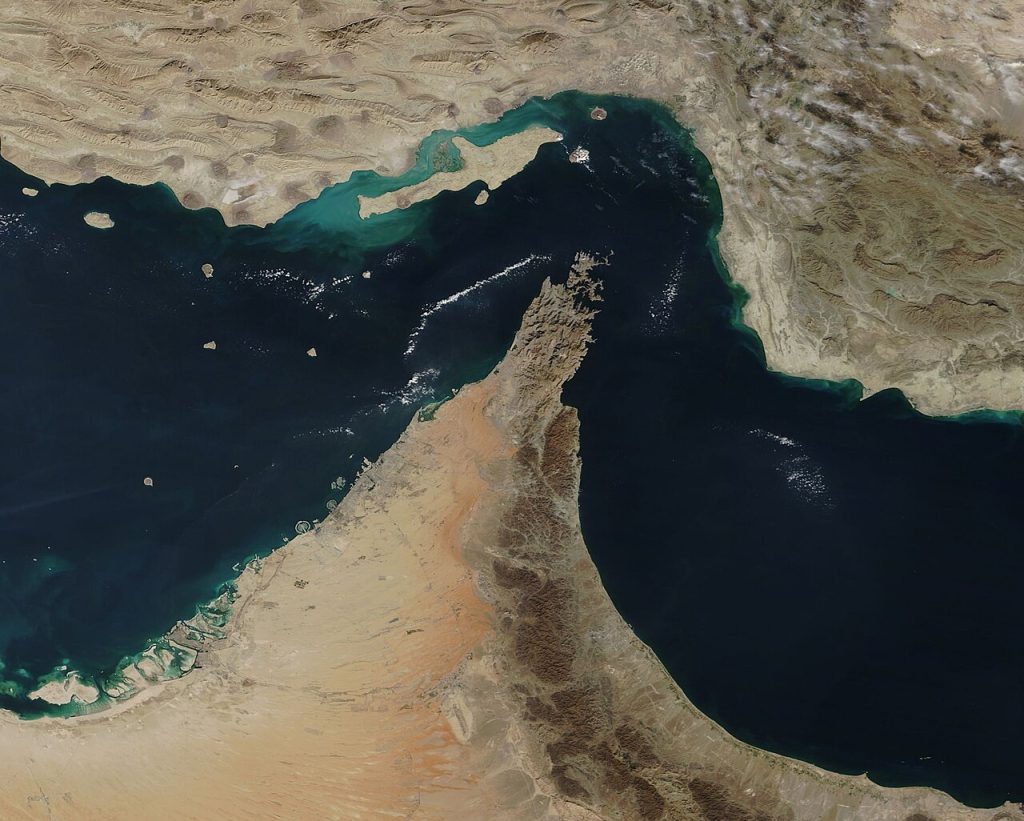
The primary driver behind this explosive growth in crude valuations stems from compounding geopolitical risks spanning from the Persian Gulf to the Black Sea. Throughout July, the market grappled with simmering conflicts and severe threats to global shipping lanes. Heightened hostilities and military posturing in the Middle East, particularly concerning transit security through the vital Strait of Hormuz, have forced international traders to price a significant “risk premium” into every barrel of Oil.
Furthermore, the disruptions are not isolated to the Middle East. A series of alarming attacks on vessels loading crude near the Caspian Pipeline Consortium (CPC) terminal in Russia’s Black Sea has placed additional upward pressure on international prices. Combined with steadily falling US crude inventories, the global supply matrix is looking increasingly strained, leaving buyers scrambling to secure future deliveries.
Industry Response and Refining Constraints
As the price of unrefined Brent and WTI surges, major corporations are bracing for the downstream economic impacts. The rapid escalation in base material costs puts immense pressure on global refining infrastructures, which are already operating at near-maximum capacity.
Addressing the intense market conditions and the resulting impact on petroleum products, US major Chevron Corp. highlighted the challenges facing the broader energy system. According to a report by Bloomberg, the company noted that “it expects fuel-making margins to remain elevated as the global refining system struggles to keep pace with the scale of supply disruptions”.
Looking Ahead: The Future of Crude
As we move past July’s dramatic highs, the trajectory of Oil will heavily depend on diplomatic developments in the Middle East and the structural integrity of global maritime trade routes. If supply disruptions continue to materialize at key geographical chokepoints, analysts warn that Brent crude could comfortably establish a new baseline well above the $90 threshold. For now, traders, hedge funds, and global governments remain on high alert, watching every headline that could dictate the next major swing in the indispensable Oil market.