In a shocking turn of events, multiple explosions were heard in Damascus, occurring dangerously close to the hotel where French President Emmanuel Macron is currently staying. The blasts in the heart of Syria have raised immediate security concerns during this incredibly historic and high-stakes diplomatic visit. The incident unfolded on Tuesday, sending ripples of alarm through the capital as the French delegation continued its tightly packed schedule of engagements.
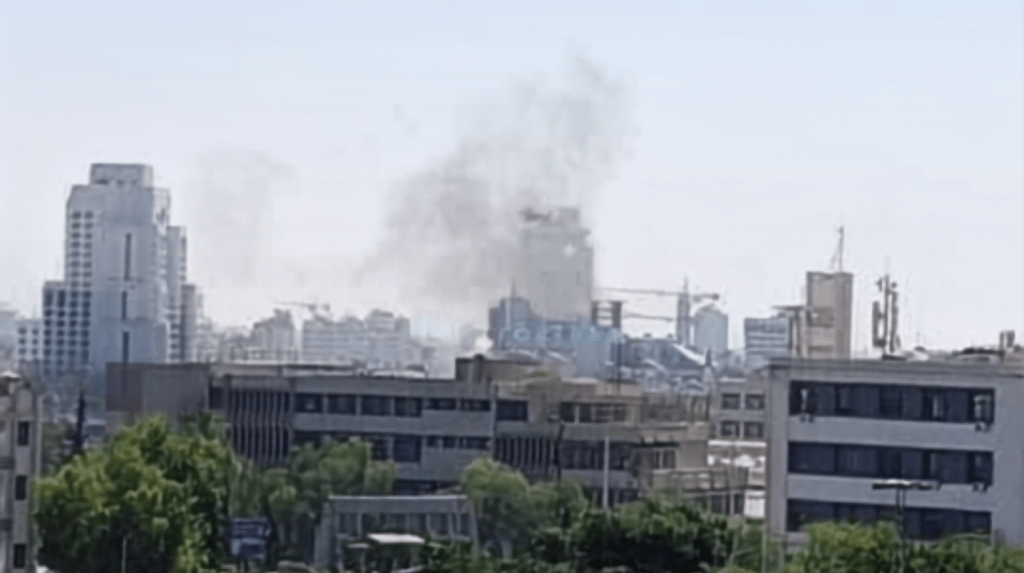
A security source within the country quickly confirmed that the blasts were caused by explosive devices. While the exact location, extent of the damage, and casualty figures were not immediately detailed by authorities, an Agence France-Presse (AFP) journalist at the scene reported hearing the loud detonations while Macron was actively present in the city. At this time, no immediate official statements have been released by the French delegation or Syrian authorities regarding the exact motive or perpetrators behind the incident.
A Groundbreaking but Volatile Visit
The explosions heavily highlight the fragile security situation that still lingers in the country, even as it transitions into a new political era. Macron’s arrival in Syria on Monday evening marked a groundbreaking geopolitical shift. He became the first prominent Western European head of state to travel to the country since the dramatic downfall of former President Bashar al-Assad in 2024. This bold move illustrates France’s aggressive strategy to establish a strong diplomatic and economic foothold in the region, directly signaling to other global powers that Paris intends to play a leading role in the nation’s recovery.
The French leader was formally received at the Damascus International Airport by Syrian Foreign Minister Asaad al-Shaibani, signaling a warm welcome. Taking to the social media platform X shortly after his arrival, Macron shared an authentic and hopeful message regarding his mission:
“I have come to express France’s commitment to the Syrian people. For a sovereign Syria, united in its diversity and at peace with its neighbours. Together, let us open a new chapter of stability and peace.”
Despite these optimistic tones, the reality on the ground remains incredibly tense. Just days prior to Macron’s arrival, a separate and devastating bomb blast at a local Damascus cafe claimed the lives of at least nine individuals and wounded 20 others, underlining the persistent threats facing the nation’s new leadership as they attempt to reunify a fractured state.
Diplomatic Ambitions Amidst Chaos
Macron’s visit is deeply intertwined with Syria’s ongoing reconstruction efforts under the leadership of President Ahmed al-Sharaa. Sharaa, who took power following Assad’s ouster, previously met with Macron during a state visit to Paris in May 2025. During that pivotal meeting, the French president actively lobbied the United States and the European Union to dismantle long-standing economic embargoes that were heavily suffocating the Syrian economy, a diplomatic push that ultimately saw the vast majority of those trade barriers removed.
Accompanying Macron on this current trip is an expansive delegation of corporate executives, investors, and prominent business leaders. The French envoy aims to engage in formal dialogues regarding regional defense protocols and explore lucrative commercial and corporate funding opportunities. Both Macron and al-Sharaa are heavily focused on rebuilding a nation shattered by over 13 years of grueling civil conflict. Furthermore, both leaders are scheduled to travel to Ankara on Tuesday for an upcoming NATO summit, where al-Sharaa is expected to hold a high-profile meeting with US President Donald Trump.
While the immediate danger near Macron’s hotel appears to have been managed without disrupting the core diplomatic schedule, the unsettling explosions serve as a stark reminder of the immense challenges that lie ahead. As France positions itself as a crucial partner in shaping a post-Assad era, ensuring absolute stability in the capital will be paramount for any long-term economic and political success.