
UAE creative economy 2026 is redefining how art, design and culture generate real business value.There is a moment that I think marks the turning point in how the UAE thought about culture. It was not the opening of the Louvre Abu Dhabi in 2017, as significant as that was. It was the realisation, somewhere in the decade before that, that culture was not a soft investment the country was making for its own sake. It was an economic strategy with measurable returns in tourism, talent attraction, real estate premium and brand equity for the nation. Once that framing took hold, everything that followed made a different kind of sense.
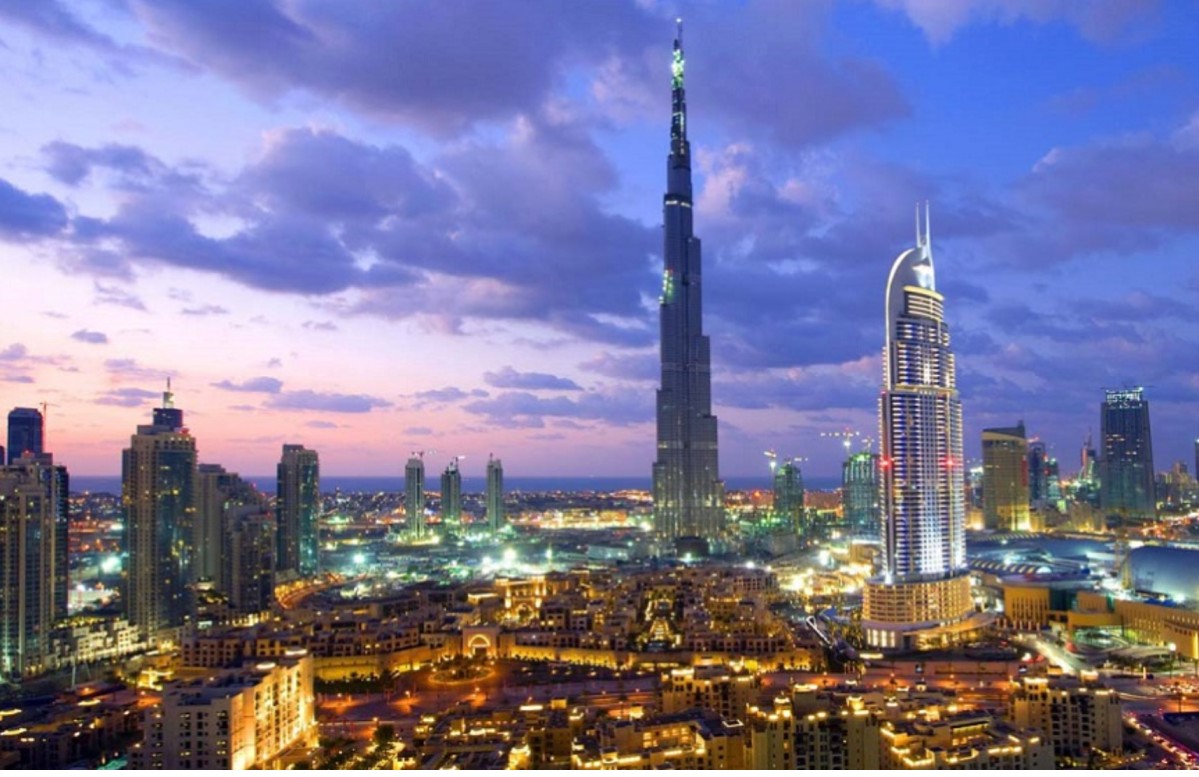
The UAE’s creative economy is now a significant and growing contributor to national economic output. Abu Dhabi’s cultural institutions, from the Louvre and the Guggenheim to the Zayed National Museum and the soon-to-arrive Natural History Museum, are not just cultural assets. They are tourism anchors that support the entire Saadiyat Island proposition and the hotel, restaurant and retail economy around them. Dubai’s d3, home to over 1,100 creative businesses and 20,000 creative professionals, is a UNESCO Creative City of Design that attracts designers, architects, fashion labels and creative agencies from around the world. The creative economy in both cities is generating real economic value that sits alongside and increasingly within the broader economy.
“Dubai Design Week isn’t just a regional festival. It’s a global stage. It brings together emerging talent from West Asia, South Asia, and Africa, expanding the global design conversation beyond the traditional Euro-American axis.”
— Known Design Studio Dubai (Medium, December 2025)
What the Creative Economy Actually Generates
Art Dubai, now in its nineteenth edition, generates significant direct economic activity through gallery sales, collector tourism, hospitality spending and media coverage that extends Dubai’s cultural profile globally. Downtown Design and Dubai Design Week together attract over 50,000 visitors and 1,000 plus designers from 50 countries. The Abu Dhabi Art fair and the expanding programme of Saadiyat Island institutions are creating a cultural calendar that gives the UAE a year-round reason for creative tourism rather than a single headline event.
The fashion economy is another creative sector that deserves more commercial attention than it typically receives. The UAE fashion market revenue is anticipated to grow from $23.54 billion in 2024 to $41 billion by 2029. Dubai Fashion Week has repositioned itself in the international calendar to gain a first-mover advantage, attracting new international brands from Europe while spotlighting regional designers who are increasingly finding international audiences. The Tashkeel Tanween Design Programme, now in its 13th edition, is building a pipeline of UAE-based designers who are producing commercially viable collections.
The Cultural Infrastructure Being Built Right Now
Several of the most significant cultural infrastructure investments in the world are currently under construction in the UAE. The Natural History Museum Abu Dhabi, the first of its kind in the region. The Guggenheim Abu Dhabi, decades in the making and now approaching reality. The teamLab Phenomena Abu Dhabi, the largest permanent teamLab facility in the world, bringing digital art at a scale that no other institution has attempted. Sphere Abu Dhabi on Yas Island, opening in 2029, which introduces a category of immersive entertainment that has never existed in the Middle East.
These are not vanity projects. Each one creates a sustained tourism draw, generates employment in the creative and hospitality sectors, and adds to the UAE’s international profile in ways that traditional economic metrics undercount. The creative economy is one of the most powerful place-making tools any government has available, and the UAE has been using it with more strategic intelligence than almost any other country in the region.
“The UAE’s cultural infrastructure investment is one of the most sophisticated nation-branding strategies in the world. Every major cultural institution builds a reason to come, a reason to stay longer, and a reason to return. The economic multiplier on that investment is significantly higher than most infrastructure projects of comparable cost.”
— Abu Dhabi Department of Culture and Tourism, Strategic Investment Review (2026)
The creative economy in the UAE is not the soft sector that it used to be dismissed as. It is a commercial and strategic asset that is generating measurable returns in tourism, real estate, talent attraction and national brand equity. The leaders who understand that and invest in it accordingly are the ones who will benefit most from what is being built.