UAE tourism is recovering from the disruption caused by the regional conflict that began in February 2026, and the pattern of that recovery tells you something important about the structural resilience of Dubai and Abu Dhabi as global tourism destinations. The conflict created the most significant disruption to UAE tourism since the COVID-19 pandemic: international visitor arrivals fell sharply in March and April as airlines suspended or reduced routes, cruise lines diverted itineraries and tourists chose safer regional alternatives. The emirate’s population rebound data, which showed a full recovery to above pre-conflict resident numbers by Q2 2026, provided the first signal that the disruption was temporary rather than structural. Tourism recovery data is following the same trajectory, with booking volumes and hotel occupancy rates recovering progressively through June and July and accelerating through August.
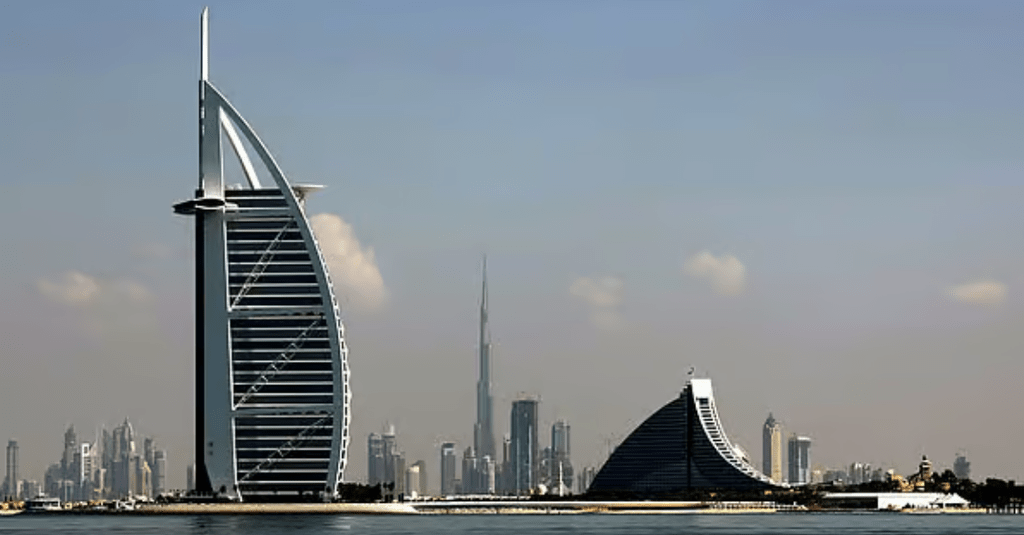
The pace of recovery reflects several structural advantages that the UAE’s tourism proposition has that make it more resilient to disruption than many comparable destinations. Emirates and Etihad have maintained route networks that while reduced during the peak conflict period have recovered more quickly than international analysts initially projected. The UAE’s tourism infrastructure, from five-star hotels to theme parks to shopping malls to cultural attractions, remained operational throughout the conflict period with no significant damage to any major tourism asset. And the destination’s fundamental appeal, the combination of world-class facilities, reliable weather, visa accessibility, safety record and the sheer density of things to see and do, has not changed.
“UAE tourism is recovering as the conflict stabilises, with hotel occupancy and international arrivals tracking progressively toward pre-conflict levels. The recovery confirms that the disruption to UAE tourism was event-driven rather than structural, and that the destination’s fundamental appeal to international visitors remains intact.”
— AGBI, UAE Tourism Recovery Analysis (agbi.com, August 2026)
Which Tourism Segments Are Recovering Fastest
Business travel is recovering faster than leisure travel, which is consistent with the pattern seen after previous disruptions to Gulf travel. The business travellers, conference delegates, trade fair attendees and corporate visitors who make up a significant share of UAE international arrivals are returning first because their travel is driven by commercial necessity rather than discretionary choice. The GITEX Global 2026 preparations, the growing pipeline of international conferences and the continued strong performance of the UAE economy are all generating business travel demand that pre-books flights and hotel rooms months in advance, providing the occupancy floor that hotels need to plan staffing and inventory.
Leisure travel, particularly from Western markets where consumer confidence about Gulf travel is more sensitive to media coverage of regional conflict, is recovering more gradually. The luxury segment within leisure travel is recovering faster than the mid-market and budget segments, which is a pattern the UAE has seen before and which reflects the tendency of high-spending international visitors to have longer booking lead times, more flexible itineraries and a greater willingness to pay premium rates for the certainty of availability. For hotels, attractions and hospitality businesses targeting the premium leisure segment, the recovery data is encouraging and the forward booking picture for Q4 2026 and early 2027 is improving week by week.
What the Tourism Recovery Means for the UAE Economy
Tourism’s contribution to Dubai’s GDP has historically been in the range of 11 to 12 per cent, and the disruption of the conflict period will leave a visible mark on the full-year 2026 tourism revenue figures. The more important question for the medium-term is whether the recovery restores UAE tourism to the growth trajectory it was on before the conflict began, and whether the second half of 2026 and full year 2027 can compensate for the disruption of Q1 and Q2. The forward booking data that airlines and hotel groups report is the best leading indicator available, and the direction of that data in August 2026 is positive. GITEX, the Dubai Airshow in November, the winter tourism season and the continued marketing investment being made by Dubai Tourism and Abu Dhabi Tourism are all factors that support a strong Q4 recovery, and the businesses that maintained their marketing investment and their service standards through the difficult months will be the ones best positioned to capture the visitors who are ready to return.
“Business travel is recovering faster than leisure, consistent with patterns seen after previous Gulf disruptions. The luxury leisure segment is recovering faster than mid-market and budget, with forward bookings for Q4 2026 improving week by week as the conflict stabilises and international confidence in UAE travel safety is restored.”
— AGBI, UAE Tourism Recovery Trajectory (agbi.com, August 2026)