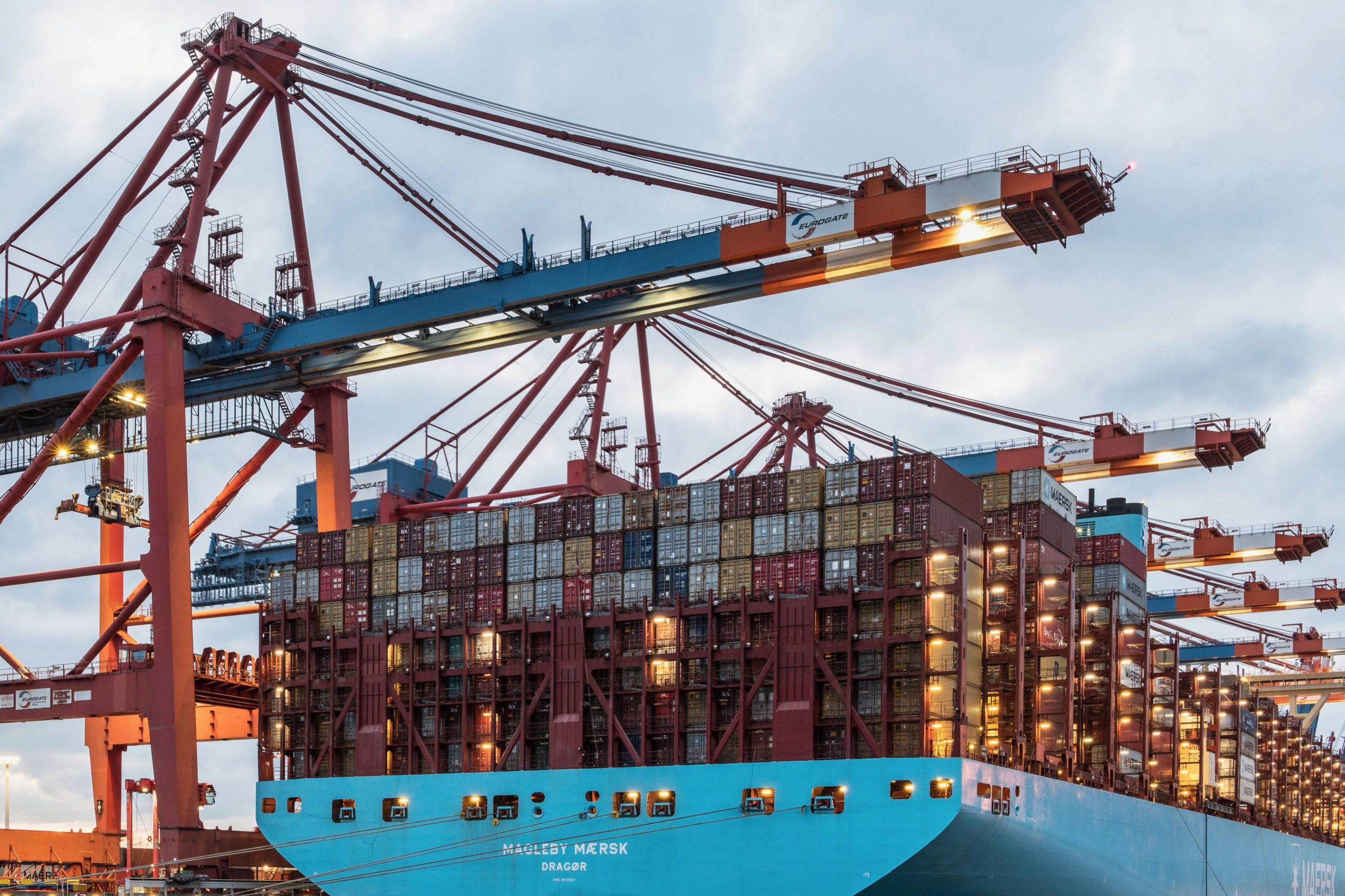
Global supply chains are feeling the heat as container shipping costs from South Korea to the Middle East have surged at an alarming rate, marking their third consecutive monthly increase. The persistent geopolitical tensions disrupting vital maritime routes have dramatically burdened exporters relying on container shipping lines connecting South Korea and the Middle East.

In May 2026, the financial cost of moving goods across these critical, historical trade lanes continued its steep, uninterrupted upward trajectory. This alarming scenario is sending immediate shockwaves through export-heavy industries that depend intensely on highly stable logistics networks to maintain their competitive edge and preserve increasingly thin profit margins. The relentless upward momentum in freight expenses serves as a stark reminder of how fragile global trade can be when confronted with regional instability.
Diving deeply into the hard data provided by authorities, the sheer scale of the financial impact becomes undeniably clear. According to the latest comprehensive statistics released by the Korea Customs Service, and carried extensively by the Yonhap News Agency, the average shipping charge for a standard 40-foot container from South Korea to the Middle East climbed 4.9 percent from the previous month.
This latest significant hike brings the average rate to a staggering 6.81 million won, which translates to roughly US$4,520 in the current exchange market. This alarming figure represents the third consecutive monthly increase, reflecting a drastic and painful escalation since February of the same year, when the benchmark rate stood at a much more manageable 3.72 million won. For local manufacturers, industrial suppliers, and agricultural traders in South Korea, this near-doubling of container shipping costs over a single quarter poses a massive financial hurdle. It directly threatens the long-term viability of sustained, high-volume trade with the lucrative Middle East market.
However, the rapidly escalating financial strain is not isolated entirely to the Middle East corridor, although it remains arguably one of the most volatile and heavily impacted. Exporters operating out of South Korea are concurrently facing significant logistical headwinds across the vast expanse of the Pacific Ocean. Data reveals that the average shipping charge for standard containers bound for the United States West Coast experienced a sharp, undeniable double-digit jump, rising 10.1 percent from just a month earlier to reach an intimidating 5.43 million won.
Similarly, the associated cost for maritime shipments headed to the US East Coast increased by 9.9 percent, settling uncomfortably at 5.63 million won. Even the typically more stable European Union route was not completely immune to this pervasive upward pressure, with container shipping costs gaining 1.3 percent to reach 3.71 million won.
The underlying causes driving this relentless, alarming climb in container shipping rates are deeply, inextricably tied to widespread global instability and prolonged regional conflicts. Major maritime carriers are increasingly being forced to radically alter their established navigational paths, deliberately choosing to avoid highly unpredictable, high-risk maritime zones. Naturally, these necessary diversions lead directly to severely prolonged transit times, massive spikes in excessive fuel consumption, and higher insurance premiums. The alarming figures provided by the national customs agency are highly comprehensive; they meticulously encompass the baseline freight rates, various mandatory broker commissions, and a slew of other related operational charges reported directly by the local exporters.
Explaining the broader mechanical reality behind the sustained surge, a knowledgeable source from the Korea Ocean Business Corporation (KOBC) candidly stated: “Carriers have begun reflecting additional fuel costs caused by detours around the Middle East in their rates.” This authentic, real-time assessment perfectly highlights the unavoidable, painful domino effect of geopolitical unrest on the complex web of global maritime logistics.
As South Korea urgently looks ahead to the remainder of 2026, the persistent, alarming rise in basic container shipping expenses casts a highly concerning shadow over its traditionally robust, export-driven national economic strategy. The Middle East has always served as an absolutely vital, highly profitable destination market for premium Korean industrial machinery, cutting-edge automotive parts, and sophisticated high-tech consumer electronics.
If these mandatory freight rates continue their seemingly unabated climb into the summer months, local exporters may eventually be forced into the deeply unpopular position of passing these exorbitant, compounding costs directly onto their end consumers. Such a desperate move risks triggering a severe, sudden drop in overall regional demand. To actively mitigate these terrifying trends, corporate supply chain managers and government trade officials must urgently collaborate. They must seek out strategic international partnerships and seriously consider alternative, innovative logistical frameworks to successfully navigate a turbulent period defined by immense geopolitical volatility and skyrocketing global transportation costs.