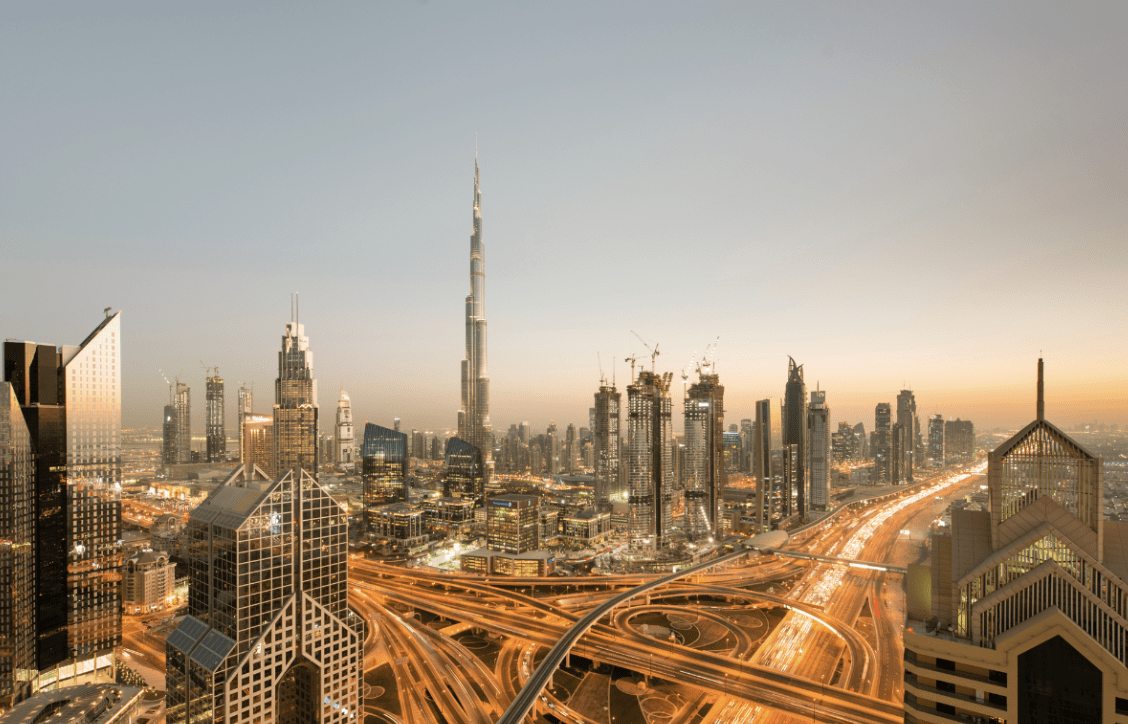
Dubai’s resident population reached 4.74 million by the end of the second quarter of 2026, according to data released by the Dubai Data and Statistics Establishment. That headline number sits alongside a more important one: the city lost 61,000 residents in March at the height of the regional conflict, a drop of 1.3 per cent in a single month, the sharpest population contraction in recent memory. By July, the population had not just recovered. It stood 20,000 higher than it did before the conflict began. That is the story worth understanding, because it tells you something fundamental about Dubai that a period of calm growth alone cannot reveal.
Population growth is the foundational metric for Dubai’s real estate market, its retail sector, its hospitality industry and its broader service economy. When 61,000 people leave in a month, the downstream effects are real: apartments vacant, school rolls down, restaurant covers empty, retail footfall reduced. The speed and completeness of the rebound from that shock is therefore not just a demographic data point. It is evidence about the stickiness of Dubai as a place people have genuinely chosen to build their lives, not just temporarily relocated to for tax or convenience reasons.
“Dubai’s population grew to 4.74 million by end of Q2 2026, adding 157,000 new residents since the start of the year. The city lost 61,000 people in March at the height of the regional conflict but has since recovered fully, with the population now 20,000 higher than before hostilities began.”
— Dubai Data and Statistics Establishment, Population Report Q2 2026 (August 2026)
Why 61,000 People Left and Why Most Came Back
The March population drop was driven primarily by expatriate departures, particularly from communities with closer cultural and geographic ties to the conflict zone. Dubai’s population is approximately 80 per cent expatriate, drawn from more than 200 nationalities, and the March movement reflected a rational response to genuine uncertainty rather than a rejection of Dubai as a long-term base. The Indian business community, the largest expatriate group in the emirate, is a useful lens: around 52,000 Indian nationals left the GCC in the first ten days of the conflict according to India’s Ministry of External Affairs, but the Indian Business and Professional Council in Dubai reported that its membership of 750 companies remained intact, with membership actually growing 15 per cent since the start of the year.
What drove the rebound was the same thing that has driven Dubai’s population growth for two decades: the underlying proposition of the city remained intact. The economy kept functioning. Schools reopened. Businesses kept operating. The government communicated clearly and consistently. And as regional conditions stabilised, the people who had left on a precautionary basis returned to a city that had demonstrably held up under pressure. The 157,000 net new residents added in the first half of 2026, even accounting for the March dip, represents one of the strongest half-year demographic performances in Dubai’s history.
What This Means for the Real Estate Market
Population growth is the variable that property analysts, developers and investors watch most closely in Dubai, and the Q2 data is broadly positive for the market. Before the conflict, consensus views held that annual population growth needed to stay above 5 per cent for the market to absorb the wave of new residential units being delivered. With 157,000 new residents added in H1 alone, that pace is tracking well above the threshold even after accounting for the March disruption.
Dubai delivered approximately 27,000 completed residential units in the second quarter of 2026 according to Savills, up from about 7,000 in Q1 and the highest quarterly delivery volume in five years. These units reflect projects launched three years ago when demand was strong and developers committed to delivery. The population data suggests that the absorption capacity for those completions is real, and that the demand destruction feared during the height of the conflict has not materialised at the scale that the more bearish forecasters anticipated. Prices in established communities have held and in some cases recovered the modest softening seen in Q1.
Dubai in 2026 Is a City That Has Proven Something
The daytime population of Dubai now reaches 6.39 million when commuters, tourists and visitors are included, a figure that reflects the breadth of economic activity the city generates every working day. That scale, combined with the resilience demonstrated in the first half of 2026, makes the case for Dubai more compellingly than any marketing campaign could. A city that loses 61,000 residents in a month of genuine geopolitical stress and recovers fully within a quarter, adding net new residents above the pre-conflict baseline, is not a city that happens to have good infrastructure and a low tax rate. It is a city that people have made a genuine long-term choice about.
“The population shrank 1.3 per cent in March, the first full month of Iranian drone strikes targeting Dubai. But between April and June the population rose each month. As of July it stood 20,000 higher than before the conflict began. That recovery arrived even as regional conditions remained unsettled.”
— AGBI, Dubai Population Rebounds Above Pre-War Levels (agbi.com, August 2026)
For businesses, investors and the millions of people who have chosen Dubai as their home, the Q2 population data is confirmation of something they already suspected: this city is more resilient than the headlines suggested, and the foundations beneath the growth are more durable than a single difficult quarter could undermine.