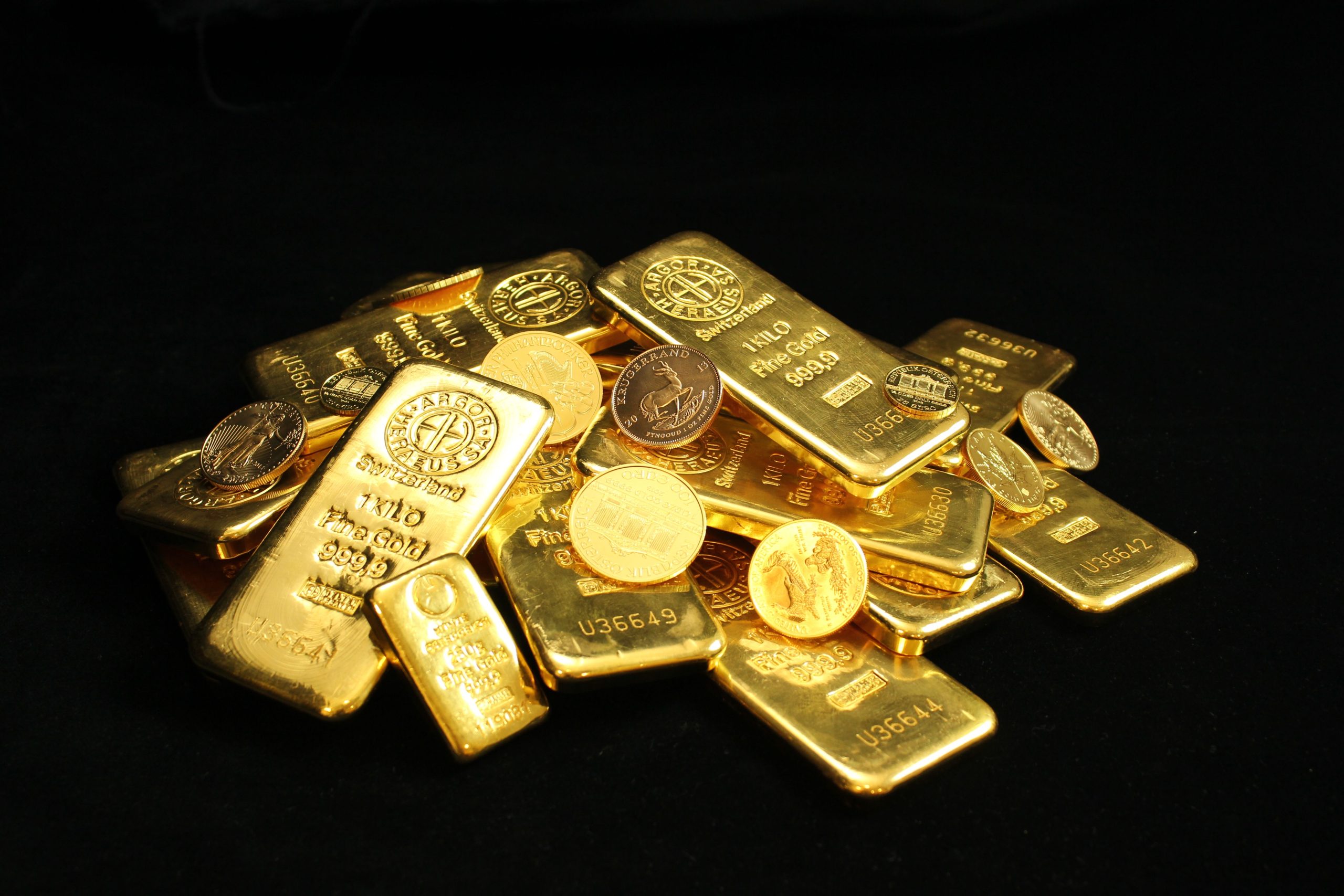
The global financial markets are currently witnessing a devastating crash in the precious metals sector, as Gold has dramatically lost its luster. Gold prices fell more than 1 percent on Tuesday, setting up Spot gold for its biggest monthly decline since October 2008 amid shifting economic expectations. After a prolonged period of strength driven by global uncertainties, investors are aggressively liquidating their positions, leading to a historic downturn for the traditionally safe-haven asset.

A Historic June Plunge
The sell-off has been exceptionally brutal across the board. Spot gold declined 1.5 percent to $3,956.92 per ounce by 02:21 GMT on Tuesday. With this latest drop, the precious metal has shed an astonishing 12.7 percent so far in the month, cementing what will definitely be its fourth straight monthly fall. This severe downward trajectory has left bullion traders and institutional investors grappling with the reality of a rapidly changing macroeconomic landscape where traditional safe havens are no longer providing the necessary shelter.
Similarly, the futures market reflects this immense, unrelenting downward pressure. U.S. gold futures for August delivery lost 1.7 percent, dropping sharply to $3,969.30. This massive decline effectively puts Gold on course for its first quarterly loss since 2024 and its steepest quarterly drop since the second quarter of 2013. The drastic shift is primarily attributed to easing geopolitical tensions, particularly regarding the unexpected stabilization of the U.S.-Iran conflict, which has prompted market attention to pivot aggressively back toward monetary policy and economic fundamentals.
Inflation, Interest Rates, and a Strong Dollar
For several months, the threat of escalating global conflicts and severe energy supply disruptions kept Gold prices artificially elevated, as anxious investors sought immediate security. However, as those immediate geopolitical fears begin to subside, the harsh reality of persistent inflation and highly hawkish central bank policies has taken absolute precedence over fear-based trading.
Edward Meir, an esteemed analyst at Marex, perfectly summarized the prevailing market dynamics that are actively suppressing Spot gold. Speaking to Reuters regarding the sudden collapse, Meir stated:
“You have high inflation, high interest rate expectations, and a strong dollar, and that’s overriding all other bullish factors that are typically associated with a gold rally.”
While Gold is historically viewed by many as the ultimate hedge against inflation, its attractiveness is significantly diminished in a high-interest-rate environment. When central banks, particularly the U.S. Federal Reserve, consistently signal the necessity for multiple rate hikes, the non-yielding metal struggles to compete against interest-bearing assets like government treasury bonds. Current financial markets are pricing in up to three aggressive rate hikes by the Federal Reserve later this year, which continues to prop up the U.S. dollar and apply unrelenting downward pressure on Gold prices.
Wayne Nutland, an Investment Manager at Shackleton Advisers, further explained this shifting correlation during an interview with CNBC:
“Bond yields and the U.S. dollar have both moved higher, and against this backdrop gold has demonstrated its traditional inverse sensitivity to these metrics, falling as a result. Gold’s declines have perhaps also been exacerbated by the strength of the gold price going into 2026 and possibly a desire amongst investors to liquidate profitable positions.”
Across the Precious Metals Complex
The absolute devastation currently sweeping the markets is not isolated solely to Gold; the broader precious metals complex is suffering equally severe, unavoidable losses. On Tuesday, spot silver plummeted 2 percent to a concerning $57.13 per ounce, deeply reflecting the broader institutional aversion to metals. Furthermore, platinum lost 1.1 percent to settle at $1,557.21, and palladium slid an additional 0.4 percent to $1,208.17. All three of these vital industrial and precious metals were headed for substantial quarterly and monthly losses, flawlessly mirroring the exact same macroeconomic pressures that are currently battering Spot gold.
As jittery investors anxiously await critical employment data later this week, including the pivotal U.S. ADP employment report and nonfarm payrolls, the immediate outlook for Gold prices remains highly vulnerable. Unless there is a sudden, unexpected softening of the U.S. dollar or a dovish shift in the Federal Reserve’s stance, Gold and Spot gold will likely spend the coming weeks painfully consolidating well below their previous highs, nursing the deep wounds of an unforgettable month.