In a monumental development for the economic future of Syria, the World Bank Board of Executive Directors has officially approved a $100 million grant to rebuild and transform the nation’s financial infrastructure. This critical funding, provided through the International Development Association (IDA), is specifically designed to establish a modern, secure, and digitally-enabled banking sector. By addressing systemic vulnerabilities and upgrading outdated technology, the initiative aims to reintegrate the country into the global economy while expanding access to financial services for everyday citizens and commercial enterprises alike.

Overcoming Decades of Financial Isolation
For over a decade, the financial landscape in Syria has faced severe operational hurdles. Following 14 years of protracted conflict, the nation’s banking sector has remained relatively small, heavily bank-centric, and overwhelmingly reliant on physical cash transactions. The existing digital payment infrastructure has become entirely outdated, while supervisory frameworks, financial integrity, and stability systems have struggled to keep pace with modern international standards.
These structural constraints have inadvertently raised transaction costs, impeded basic access to finance, and severely limited the country’s ability to reconnect with the international financial channels necessary for trade, investment, and transparent humanitarian assistance. The introduction of the $100 million IDA grant by the World Bank is poised to dismantle these barriers. A functioning and transparent financial system is absolutely vital for the nation’s broader recovery, enabling secure wage and pension payments, facilitating cross-border remittances, and improving public revenue collection for the government.
The Scope of the Modernisation Project
Officially titled the Syria Financial Sector Modernisation Project, this comprehensive initiative will tackle the root causes of the country’s economic stagnation. According to an official statement released by the World Bank, the project will fundamentally reshape how money moves across the nation.
“The Syria Financial Sector Modernization Project will support investments that will help make financial transactions safer, faster, and more transparent, while creating conditions for better access to financial services,” the World Bank statement read.
Over its implementation period, the project will lay the critical groundwork needed to operationalise foundational financial sector systems. The ambitious targets include enabling at least 15 million electronic retail payments annually. Furthermore, the project aims to actively support at least 500,000 people and businesses—including 150,000 women—in utilizing digital payments through newly supported electronic systems.
Specifically, the project will finance payment and financial market infrastructure, as well as the overarching technology environment—including credit infrastructure—required for safe, efficient, and transparent financial flows. It will also enhance the operational capacity of the Financial Intelligence Unit, a crucial step for establishing robust financial integrity protocols.
Leadership Perspectives and Global Reintegration
Local leadership views this financial injection as a watershed moment for the country’s economic rehabilitation. Mohamed Safwat Raslan, Governor of the Central Bank of Syria, emphasized the structural importance of the World Bank and IDA intervention.
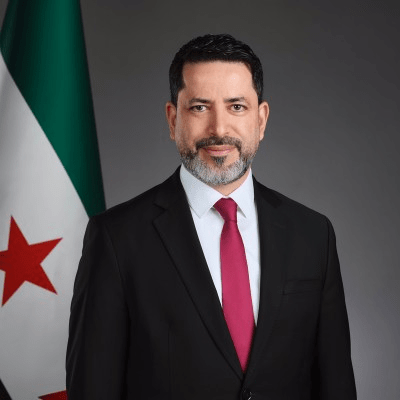
Speaking to the Syrian Arab News Agency (SANA), Raslan stated:
“The World Bank’s approval of the $100 million grant represents an important milestone in developing the country’s financial and banking infrastructure, and an essential step toward building a modern financial sector aligned with international standards and best practices”.
Raslan further noted the broader macroeconomic goals, adding:
“The Central Bank will continue working to build an advanced financial sector that enhances confidence, drives economic growth, and contributes to re-integrating Syria into the global financial system”.
By prioritizing financial integrity and digital inclusion, the World Bank and IDA are providing Syria with the foundational tools required to build a resilient, modern economy. The successful implementation of these digital frameworks will serve as a cornerstone for future international investments, signaling to global markets that the nation is ready to engage in transparent and efficient cross-border trade.
Focus Keywords:
World Bank, IDA, Syria, Financial Sector Modernisation Project, Mohamed Safwat Raslan, Central Bank of Syria, digital payments, economic recovery, International Development Association, financial infrastructure.